

How To Stop Shakes and Tremors During Alcohol Withdrawal

She approaches her clients from a place of authenticity, genuine compassion, and believes that everybody deserves a rich and fulfilling life free of addiction and maladaptive behaviors. We are dedicated to transforming the despair of addiction into a purposeful life of confidence, self-respect and happiness. We want to give recovering addicts the tools to return to the outside world completely substance-free and successful. The second moderate withdrawal stage occurs between 12 and 48 hours following the last drink.
How to Stop Alcohol Withdrawal Tremors
- Normally, adenosine levels build up in your brain throughout the day, making you feel tired, but caffeine can prevent this from happening.
- Don’t be afraid to add a splash of cream into your cup, or to have a glass of water and some food.
- With that being said, drinking to the point of inducing shakes is an unhealthy behavior and can be a sign of alcohol dependence.
- However, untreated DT can be dangerous, so a person at risk for DT should see a doctor if they get hangover shakes.
- Along with acupuncture, pursuing meditation practices can help in reducing anxiety.
Seeking medical intervention and treatment options is crucial to ensure your safety and wellbeing during this time. Investing time and energy to manage your stress can positively impact both your mental and physical health. Implementing these measures might lead to better control of shaking symptoms induced by alcohol consumption. When the suppressing effect of alcohol is suddenly reduced or removed, your brain’s hyperactive state is unrestrained, leading to symptoms like shakes. Factors such as the amount and frequency of alcohol consumption, general health, and genetics can influence the severity and duration of these symptoms. If you’re dehydrated, caffeine will have a more powerful effect on you.
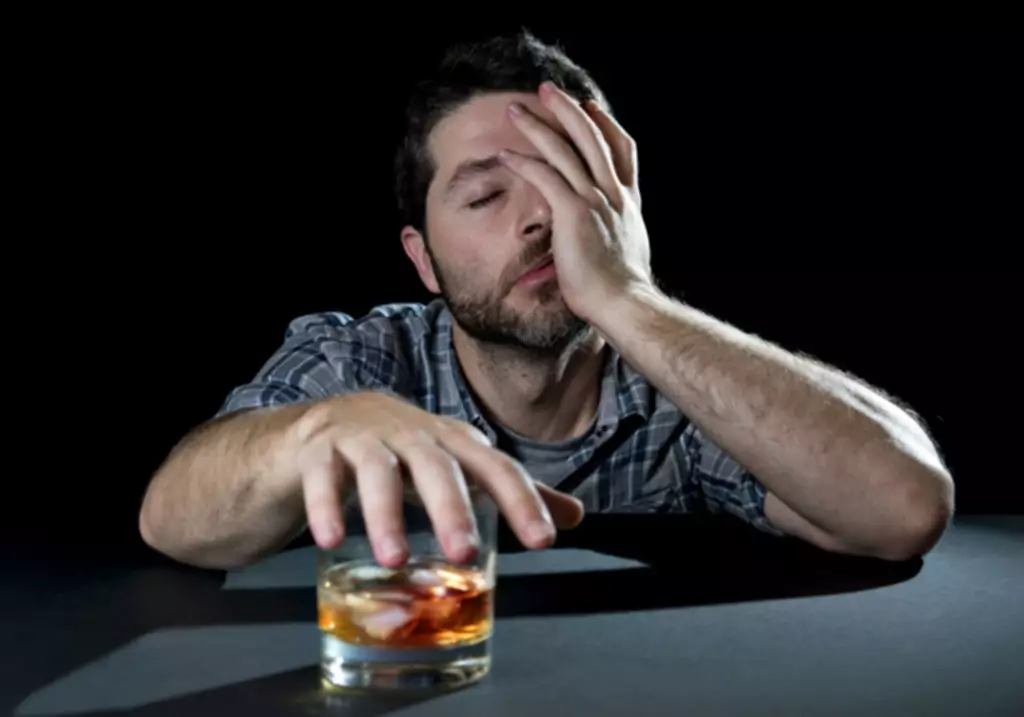
Treatment for Tremors
These foods help stabilize blood sugar levels, mitigating shakiness and fatigue caused by withdrawal. When you stop drinking after prolonged alcohol use, your body goes through a significant adjustment period. One of the most noticeable and unsettling symptoms is alcohol withdrawal shakes, or tremors, which can affect your hands or entire body.

What Causes Shakes and Tremors?
Water can help dilute the caffeine in your body, which can reduce what is Oxford House the intensity of the jitters. The most efficient way to get rid of jitters — stop consuming excessive amounts of caffeine (easier said than done). Since caffeine suppresses your appetite, you might not be hungry after drinking coffee.
How to stop caffeine jitters: 7 tips to help you calm down
- By taking simple steps to prevent them, you can continue to enjoy your favorite morning brew without experiencing any discomfort.
- When your body receives the nutrients it needs, it feels better, and you’re less tempted to drink.
- Learn about how alcohol-induced shakes and tremors can occur as a hangover or withdrawal symptom after heavy drinking; And, tips for how to stop the shakes.
Men and women have different emotional struggles, past traumas, and life… This process temporarily restores homeostasis, or chemical balance, in an effort to counteract the impact of long-term alcohol use on the brain. Exercising is also a great way to get the caffeine jitters out of your system. Taking a brisk walk, playing a sport, or jogging around the block can all help to metabolize the caffeine in your body quicker and release all your cooped-up energy. Going outside and how to stop shakes after drinking getting some fresh air can make the world of difference when you’ve had a bit too much caffeine. Another side effect of caffeine is that it could increase your heart rate.
Hangover
Behavioral treatment programs are helpful for people who want to quit drinking. These programs involve working with a team of mental health professionals in a group and individual setting. You don’t need to be diagnosed with alcohol use disorder in order to quit drinking. If alcohol is interfering with your health or your personal, financial, or professional life, consider quitting. The person that drinks once a year can awake the following morning with an unpleasant tremor in their hand, and the alcoholic can shake daily. By design, alcohol affects our sympathetic nervous system, which is responsible for our motor function.
How to Stop Shaking After Drinking Alcohol: Expert Tips for Recovery and Support
For example, daily drinkers are at risk of developing tolerance and therefore withdrawal. Alcohol shakes, medically known as alcohol withdrawal tremors, are involuntary, rhythmic movements that typically impact your hands but can extend to your arms, legs, or head. They often occur when your body reacts to the sudden cessation of alcohol consumption after heavy or prolonged drinking. For most people, alcohol withdrawal symptoms will begin to subside after 72 hours. If you are still experiencing withdrawal symptoms after three days, talk to your healthcare provider. For someone with mild-to-moderate alcohol withdrawal symptoms, outpatient treatment might be the best course of action.
- A sudden influx of caffeine can go straight to your head and make you feel dizzy.
- Long-term alcoholics will have alcohol shakes due to brain damage, liver disease (cirrhosis), or Wernicke-Korsakoff syndrome.
- Again, shaking and tremors can also be a symptom of alcohol withdrawal syndrome, which can happen if you’ve been drinking for a while and suddenly stop or sharply reduce your intake.
- After doing some research and experimentation, I’ve discovered several helpful tips and strategies to stop shaking after drinking coffee.
- This imbalance often peaks between 24 to 72 hours after the last drink, showcasing the physiological struggles of the central nervous system adjusting back to its normal state.
The Alcohol Shakes
Getting help for alcoholism at The Recovery Village Columbus can greatly improve the chances of overcoming alcohol addiction. Contact a Recovery Advocate today to take the first step toward living an alcohol-free life. For more severe cases, inpatient residential treatment programs may be necessary. Inpatient rehab provides comprehensive care that includes the expertise of medical professionals and addiction specialists.