

10 Elements of Financial Statements
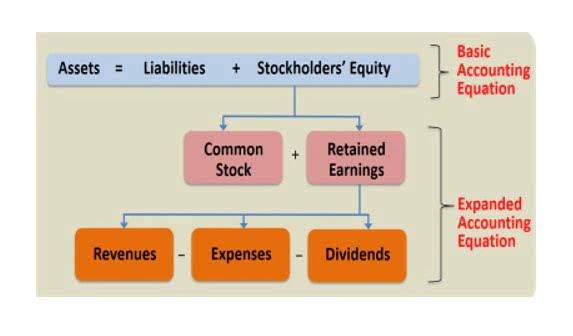
These are listed on the bottom, because the owners are paid back second, only after all liabilities have been paid. An error in transaction analysis could result in incorrect financial statements. Accounts payable (AP) are considered liabilities and not expenses. Because accounts payables are expenses you have incurred but not yet paid for. When you buy or sell goods and services, you must update your business accounting books by recording the transaction in the proper account.
Growth and Investment Potential Analysis
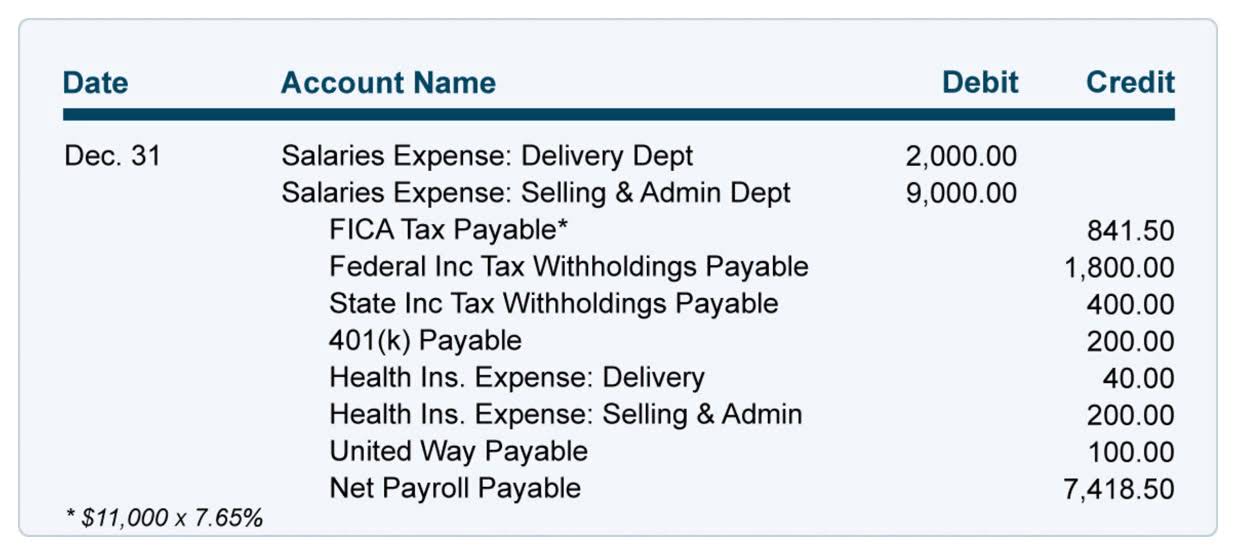
Liabilities are classified as current liabilities or long-term liabilities. Well, sometimes they called period cost including the cost of goods sold and administrative cost. Actually, these expenses are different from capital expenditures which are paid for purchasing fixed assets. Depreciation and impairment of fixed assets are charged into the income statement.
Difference between Assets and Expenses

An expense appears more indirectly on the balance sheet where there will always be a decline in the line item of retained earnings within the fixed assets equity section, by the same amount as the expense. Also, either the assets section of the balance sheet will decrease by the amount of the expense or the liabilities section will increase by the expense amount thereby keeping the balance sheet in balance. The balance sheet reflects business expenses by drawing down the company’s cash account and increasing accounts payable.
Accrued liabilities and expense payments
- As you can see, owner or shareholder equity is what is left over when the value of a company’s total liabilities are subtracted from the value of its assets.
- Managing short-term debt and having adequate working capital is vital to a company’s long-term success.
- Therefore, slashing costs can help companies to make even more money from sales.
- You can set up sub-accounts for insurance (e.g., general liability insurance, errors and omissions insurance, etc.) to further break things down.
- ✅ Ensures financial transparency for investors, lenders, and stakeholders.✅ Prevents compliance issues with regulatory bodies.✅ Improves decision-making by providing accurate financial data.
Expenses in accounting are recorded through cash basis or accrual basis accounting methods. In cash basis accounting, expenses are only recorded when they are paid. While, in the accrual accounting method, they are only recorded when they are incurred. Expenses can be grouped into two main types in business such as operating and nonoperating expenses. ✅ Measures a company’s ability to pay short-term obligations using current assets.✅ Helps determine if the company can cover expenses without financial strain. Below liabilities on the balance sheet, you’ll find equity, the amount owed to the owners of the company.
Liabilities vs. Expenses: Differences Every Business Owner Should Know

For example, net income or net profit is revenue with expenses subtracted. By learning from experts, utilizing accounting tools, financial analysis techniques, and professional training, professionals can confidently master Balance Sheets in Finance and Accounting. The next section will explore how BMC Training can help enhance financial expertise in balance sheet preparation and analysis. ✅ Ensures accurate financial reporting and regulatory compliance.✅ Helps businesses optimize asset management and financial decision-making.✅ Strengthens investor confidence and funding opportunities. ✅ Assesses how effectively a company generates profits from assets and equity.✅ Helps businesses identify areas for profit improvement and cost control. ✅ Determines whether a company can meet long-term financial obligations.✅ Helps expenses vs liabilities investors assess the company’s risk level and debt management.
The importance of timely payment
Cutting down costs and expenses can help companies make more money from sales. Nevertheless, it is important to note that even though costs and Car Dealership Accounting expenses may seem similar, there are not the same when it comes to accounting. Costs are the finances used to purchase an asset while expenses are the cost incurred in the use and consumption of these assets. These expenses hit your books in the current accounting period and get deducted in that same period. Every expense directly impacts your income statement and reduces your profits. Assets are also grouped according to either their life span or liquidity – the speed at which they can be converted into cash.
- As an amount of expense is recorded, the Retained Earnings line item within the equity section of the balance sheet will decline by the same amount.
- Modified cash-basis and accrual accounting use the same accounts, which are advanced accounts such as AP and long-term liabilities.
- Revenue has the effect of increasing the amount of profit and net assets of the business.
- Owners often sell their ownership interest in a business to another person.
- Expenses are recorded on the debit side of the profit and loss report and measure a business’s profit and losses.
What happens if I don’t fulfill the terms of a liability?
- From an accounting perspective, liabilities and equity balances are both shown on the credit side of the balance sheet.
- Also, either the assets section of the balance sheet will decrease by the amount of the expense or the liabilities section will increase by the expense amount thereby keeping the balance sheet in balance.
- Liabilities and expenses are particularly important to startups, which often have negative cash flows or operate at a loss.
- Depreciation and impairment of fixed assets are charged into the income statement.
- Such an item can be long-term or short-term and usually decreases in value over time.
- If the child age is below 18, the bank will call these a minor account.
- To record expenses, debit the expense account and credit the corresponding asset or liability account, depending on the payment method.
Resources owned by the business that can help the business produce goods and services are considered an asset. Such an item can be long-term or short-term and usually decreases in value over time. These assets are reported on the balance sheet together with liabilities and equity. An expense, on the other hand, is a cost related to the day-to-day running of a business. In a company, the management teams aim to maximize profits which is achieved by boosting revenues while keeping expenses in check.